Orbán Took a Decade. Trump Is Doing It in a Year.
The autocoup is a method with a track record, run successfully in living memory by elected leaders on four continents. The only novel thing about the American version is that we keep insisting it can't happen here.
Americans have a comforting habit of treating their institutions as laws of nature—as though the Constitution were a kind of weather, something that simply happens to the country and cannot be switched off. It is a habit that other democracies could not afford, because they watched their own institutions fail in real time, dismantled by men who had been elected fairly and who never once had to fire a shot to do it. If you want to know where the road the Trump administration is on actually leads, you do not need to imagine. You can read the histories. Several of the men who wrote them are still in power.
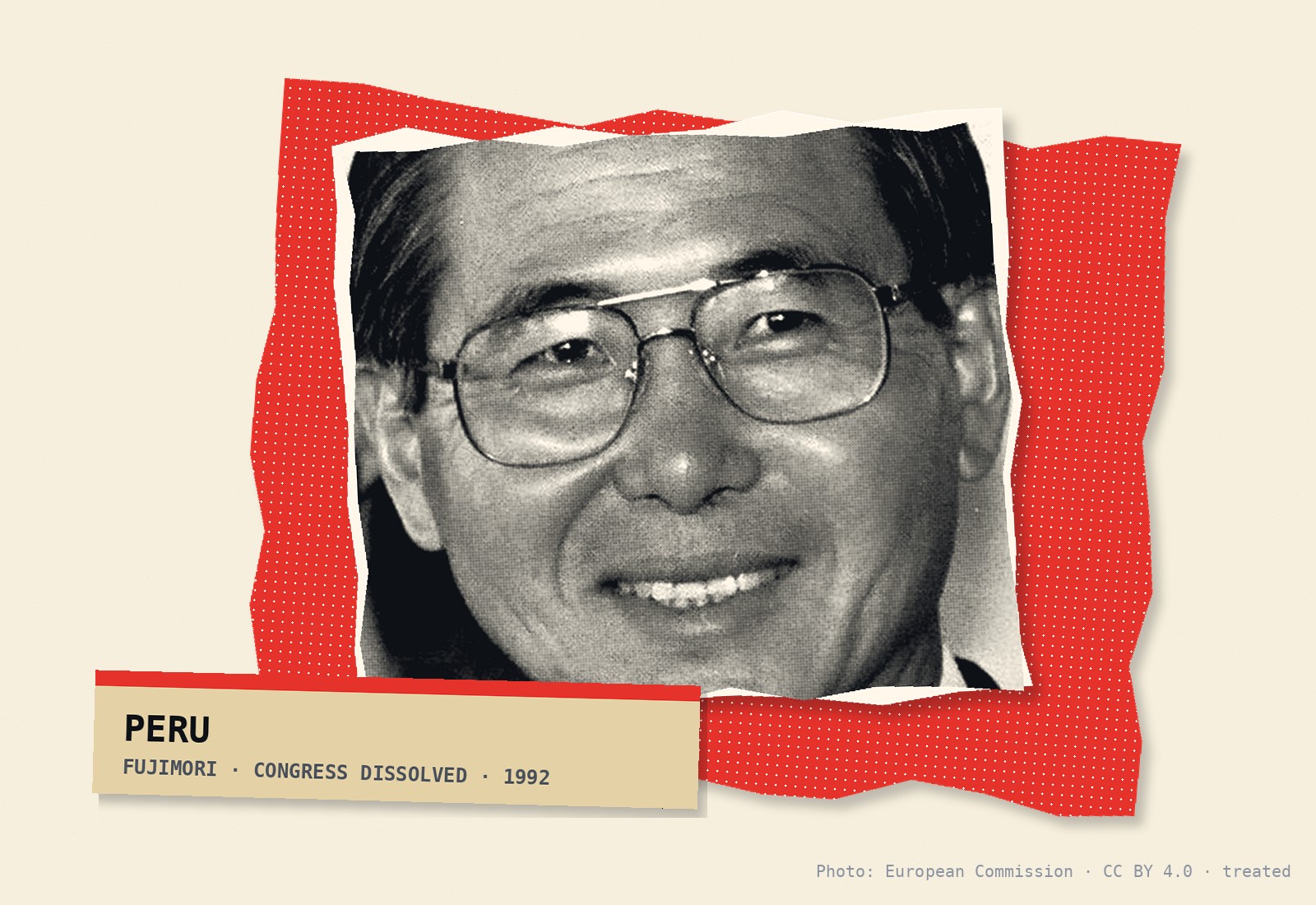
Peru, 1992: Fujimori switches off his own government
Alberto Fujimori is where the word autogolpe enters the modern vocabulary. He had won the Peruvian presidency in a legitimate election. Two years in, frustrated by a congress and courts that would not give him what he wanted, he went on television and announced that he was dissolving both. Tanks did appear on the streets of Lima that night, which is part of why we misremember the lesson—but the tanks were theater. The actual coup was legal in form: a sitting president using the machinery of his own government to switch off the parts of it that constrained him, and then holding a referendum to bless the result after the fact. He remained popular for years. Popularity, it turned out, was perfectly compatible with the end of the republic.
Hungary, 2010: Orbán keeps the elections and stops losing them
Viktor Orbán learned Fujimori's lesson and improved on it, and it is Orbán, more than anyone, whom the American right openly admires and studies. He never dissolved anything. He won a large parliamentary majority and used it to rewrite the constitution, pack the courts, redraw the electoral map, and place the public media and, through friendly oligarchs, most of the private media under loyal control. He passed laws targeting universities and foreign-funded nonprofits. Elections in Hungary still happen, on schedule, and Orbán keeps winning them, because he has bent every surface around the vote so far in his favor that losing has become nearly impossible. Hungary is still, technically, a democracy. It has simply stopped being one that can change its government. American conservatives have flown to Budapest to praise this model. It is the one to watch.
Orbán's genius was patience. He had years between each move, and the slowness is what made it survivable—each step small enough to pass as ordinary politics. The unsettling part is what happens when you lay his decade beside the American year and line up the matching moves.
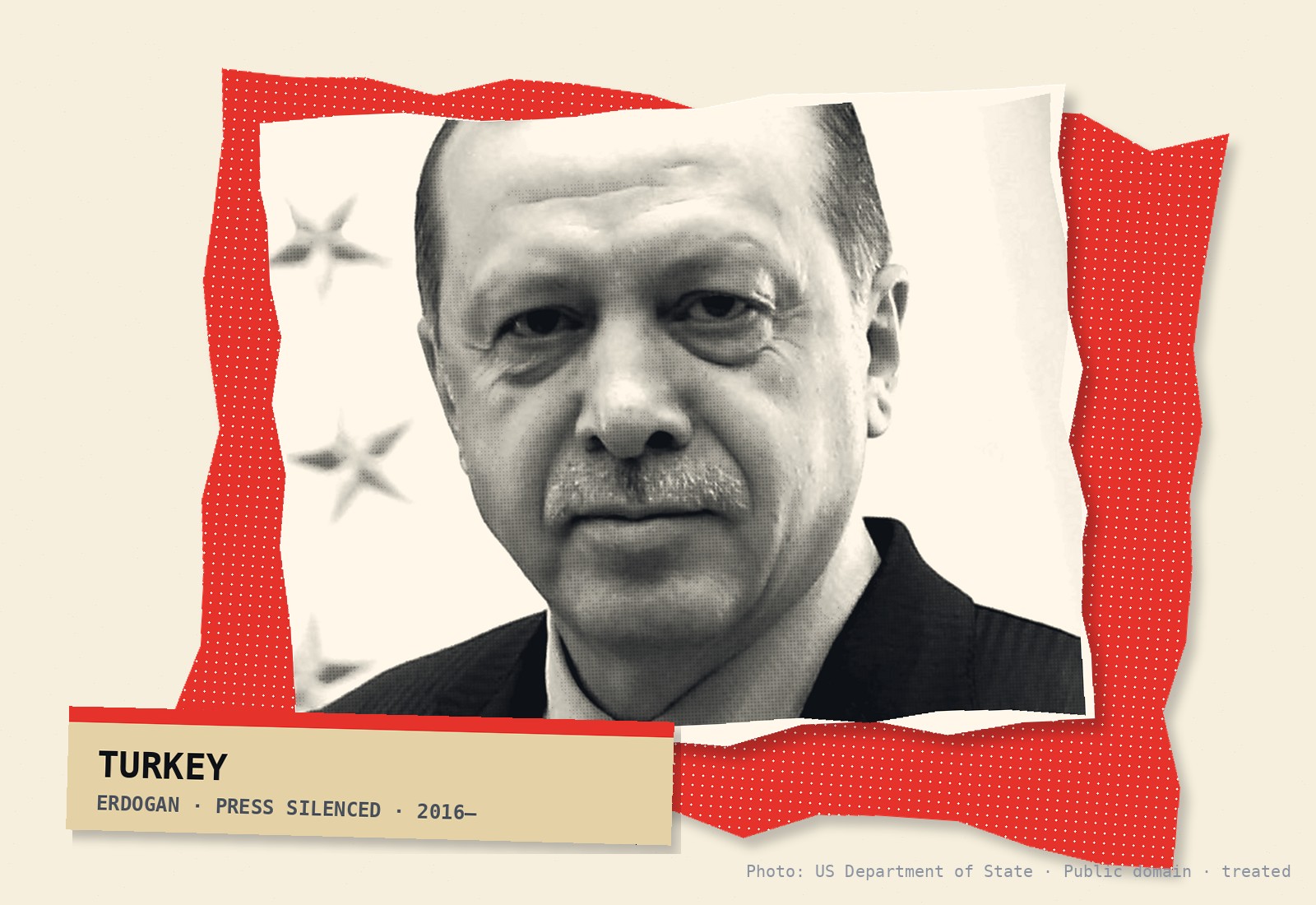
Turkey, 2016: Erdoğan had his lists ready
Recep Tayyip Erdoğan shows what the apparatus in the previous essay is for. After a failed coup attempt in 2016, his government dismissed or detained well over a hundred thousand people—judges, prosecutors, teachers, soldiers, civil servants—using lists that, by all evidence, had been prepared in advance. The emergency was real; the response was pre-loaded. What Turkey demonstrates is the value of two things this administration is now building: a ready-made roster of the disloyal, and a workforce cleansed of anyone likely to refuse the order to act on it. A fusion platform is a list-making machine. Schedule F is a refusal-removing machine. Erdoğan had to build his by hand, in a hurry, after the fact. The Trump administration is assembling ours calmly, in advance.
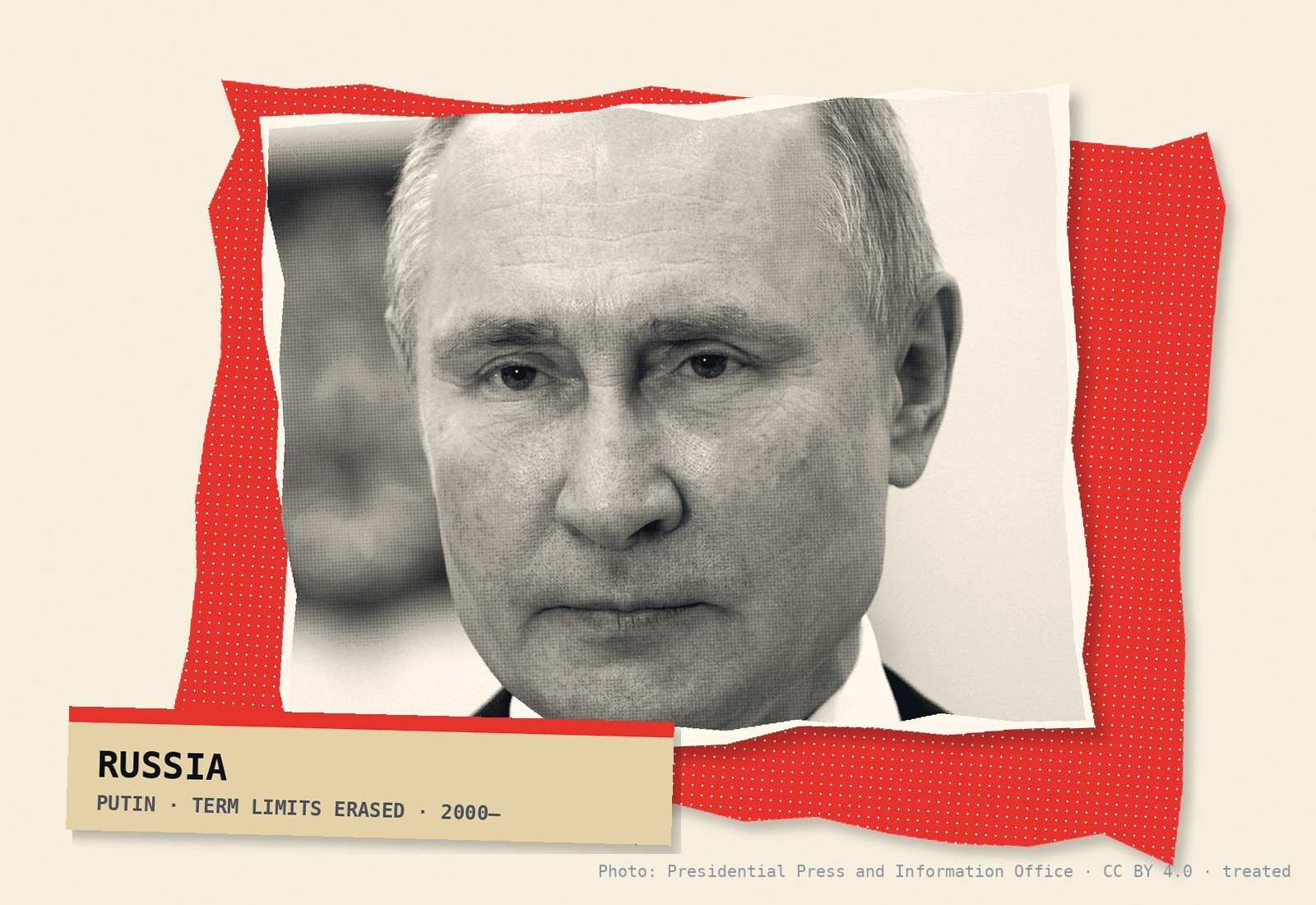
Russia: Putin teaches citizens to police themselves
Vladimir Putin perfected the softest and most durable version. He rarely needs to jail an opponent, though he does. Mostly he does not have to, because he built a system in which everyone understands the boundaries and polices themselves. The press learned what it could not say. Businessmen learned whom they could not fund. Ordinary Russians learned that their government could see a great deal about them and might be watching, which is a belief that does its work whether or not it is true on any given day. This is deterrence at scale, and it is the cheapest instrument in the autocrat's kit, because the citizens enforce it on themselves for free once they are persuaded the surveillance is real.
America runs the same play at machine speed
Set these cases beside the United States in 2026 and the parallels are not subtle. A leader elected legally, contemptuous of the courts and the civil service that constrain him. A project to capture or neuter the referees. A prepared list of enemies and a purge of the officials who might protect them. A campaign to make opposition feel dangerous. Trump has not hidden any of this; he has said out loud that he intends to use the government against his enemies, and the standard response—that he cannot possibly mean it, that the institutions will hold—is precisely the response that failed in Lima, in Budapest, in Ankara.
But there is one difference between the American case and its predecessors, and it does not run in our favor. Fujimori, Orbán, and Erdoğan had to build their machinery the hard way—with clerks, with paperwork, with informants, at the speed of human hands. The friction slowed them down and gave their opponents time. Trump is building the American autocoup on top of the most sophisticated surveillance and data infrastructure any government has ever assembled—one that erases exactly the friction that once protected the people in its path. Everything the twentieth century's strongmen accomplished laboriously, ours can attempt at the speed of a database query.
We tell ourselves it cannot happen here. Every country in this essay told itself the same thing, in almost the same words, until the moment it already had. The American exception was never a law of nature. It was a choice, renewed by each generation that bothered to defend it—and it is on the ballot, quite literally, in a way it has not been before.
See where today's news sits on the map.
Every move in this essay is a tracked case file with its own receipts.
Open Tracker →